

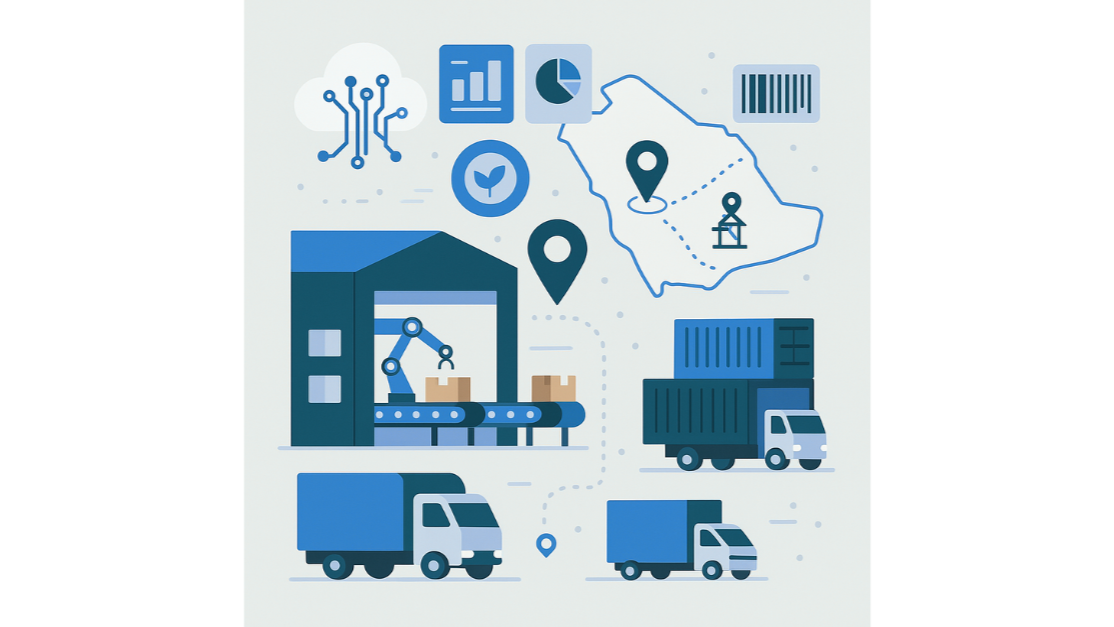
Intro Snapshot
Saudi Arabia’s logistics sector is moving at unprecedented speed. In Q2 2025 alone, over 50 million parcels were delivered, a record that reflects both operational scale and the nation’s rapidly advancing infrastructure. This surge is not just about volume—it’s a sign of deep transformation. Backed by Vision 2030 and the National Industrial Development and Logistics Program (NIDLP), the Kingdom is using technology to create a smarter, faster, and more transparent logistics ecosystem.
Tech-Driven Warehousing & Packaging
Behind these numbers lies a wave of investment in storage, warehousing, and cold-chain infrastructure. The Saudi storage systems market is projected to hit USD 620 million by 2028, with Riyadh, Jeddah, and Dammam leading the expansion. Cold-chain logistics alone saw over USD 2 billion in investments in 2023, driven by the food, e-commerce, and industrial sectors.
At the Saudi Smart Logistics 2025 event in Riyadh, innovation took center stage:
- KAPELOU unveiled automated conveyors and robotics with intelligent WMS integration, cutting manual labor and improving throughput.
- BJT Pack showcased biodegradable and recyclable packaging materials, proving that sustainability and efficiency can work hand in hand.
These solutions are not theoretical—they’re being implemented now, shaping how goods move in and out of Saudi Arabia.
Strategic Momentum from Vision 2030
Smart logistics is a pillar in Saudi Arabia’s plan to become a global logistics hub. Academic research underscores that AI, IoT, big data, and blockchain are critical to lowering costs, boosting transparency, and increasing agility. Surveys show that 65% of logistics professionals in the Kingdom are already investing in smart technologies, with the rest planning adoption within the next two to three years.
This is not a passive policy—it’s an active, nationwide push to integrate advanced logistics capabilities into every stage of trade.
Value for Global Buyers & Partners
For companies importing into or exporting from Saudi Arabia, this transformation means:
- Efficiency Gains – Faster processing, automation, and reduced downtime.
- Supply Chain Visibility – Real-time tracking from warehouse to final delivery.
- Sustainability – Eco-friendly warehousing and packaging aligned with ESG priorities.
- Regulatory Confidence – Stronger compliance frameworks and improved customer service, as shown by top-performing couriers like Naqel.
Simply put, Saudi Arabia’s logistics are becoming more predictable, more transparent, and more competitive.
What’s Next
Looking ahead, expect:
- Wider adoption of AI-powered demand forecasting and predictive maintenance.
- Expansion of green warehousing and renewable-powered facilities.
- Cross-border automation with GCC neighbors for seamless regional trade.
- Investment in specialized talent for robotics maintenance, data analytics, and sustainability management.
Closing Thought
Saudi Arabia is no longer just an oil exporter—it’s becoming an exporter of logistics excellence. For global buyers, this is a strategic advantage that can lower costs, shorten delivery times, and open the door to new markets. The question is no longer if you should integrate Saudi logistics into your supply chain—it’s how quickly you can do it.
